

Product Overview
The story of a legendary photographers' life and work is alsoa remarkable and devastatingvisual document of war and warfare
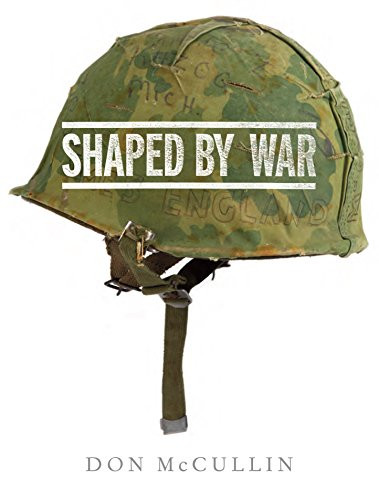
No other photographer in modern times has recorded war and its aftermath as widely and unsparingly as Don McCullin. After a London childhood during the Blitz, McCullin feels his life has indeed been shaped by war. From the building of the Berlin Wall at the height of the Cold War to El Salvador and Kurdistan, McCullin has covered the major conflicts of the last 50 years, with the notable exceptionof theFalklands, for which he was denied access. This remarkable narrative ofMcCullin's life contains a collectionof pictures ofhim in the fieldwith key photographs from his career. Whenever possible emphasis has been placed on the presentation of previously unpublished material. The inclusion of rarely-seen color work challenges the conventional appraisal of McCullin's world being exclusively black and white. Numerous documents, original publications, and personal mementoes are reproduced, includinghis cameras, boots, helmet, numerous passports, andilluminating personal correspondence. McCullin recounts the course of his professional life in a series of devastating texts on war, the events, and the power of photography. The brutality of conflict returns over and over again, and hereMcCullin voices his despair.
No other photographer in modern times has recorded war and its aftermath as widely and unsparingly as Don McCullin. After a London childhood during the Blitz, McCullin feels his life has indeed been shaped by war. From the building of the Berlin Wall at the height of the Cold War to El Salvador and Kurdistan, McCullin has covered the major conflicts of the last 50 years, with the notable exceptionof theFalklands, for which he was denied access. This remarkable narrative ofMcCullin's life contains a collectionof pictures ofhim in the fieldwith key photographs from his career. Whenever possible emphasis has been placed on the presentation of previously unpublished material. The inclusion of rarely-seen color work challenges the conventional appraisal of McCullin's world being exclusively black and white. Numerous documents, original publications, and personal mementoes are reproduced, includinghis cameras, boots, helmet, numerous passports, andilluminating personal correspondence. McCullin recounts the course of his professional life in a series of devastating texts on war, the events, and the power of photography. The brutality of conflict returns over and over again, and hereMcCullin voices his despair.